Haslett Group Home

Category

Corporate Governance

21 articles

What the Counterparty Already Signed: A Consent Audit for UK Group Reorganisation

What the Counterparty Already Signed: A Consent Audit for UK Group Reorganisation

A UK group reorganisation may be internal in design, but its permissions are often external. This article sets out a board-level consent audit that maps change-of-control, assignment and notification clauses across every entity, ranks them by operational criticality and rehearses the notice timetable before the structure moves.

The Actuary in the Room: Pension Debt and the Board Pack for a Subsidiary Sale

The Actuary in the Room: Pension Debt and the Board Pack for a Subsidiary Sale

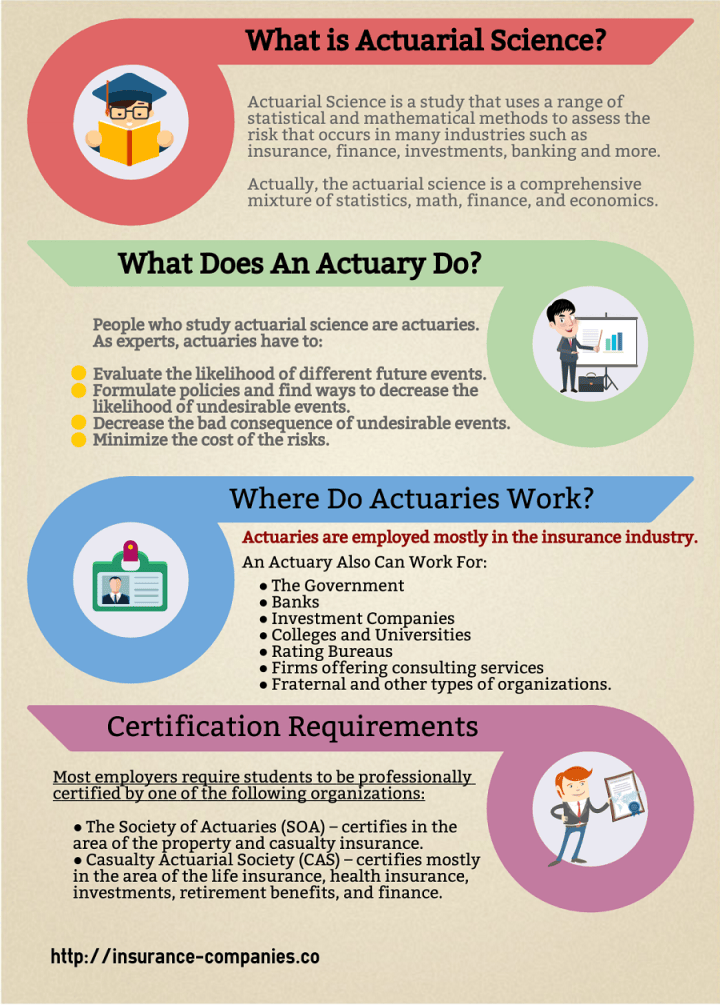
Defined benefit pension exposure rarely sits at the top of the agenda when a UK group prepares to divest a subsidiary — until the actuary's figures land. This article sets out how employer debt behaves through a corporate change, where parental support turns into a contingent liability, and what a board should be able to evidence before it signs.

Before the Org Chart Moves: Auditing Brand Ownership Across a UK Group

A group restructure can leave trademarks, domain names, software licences and brand permissions sitting in an operating subsidiary that is about to be sold, merged or wound down. This article sets out a board-level audit that follows the brand through ownership records, intra-group permissions and registered consents before the structure changes.

The Borrowed Workforce: A Board-Level Audit of Intra-Group Secondments

The Borrowed Workforce: A Board-Level Audit of Intra-Group Secondments

Secondments inside a UK group are frequently documented by an email, a recharge and an assumption. That is rarely enough when employment status, PAYE, right-to-work evidence or vicarious liability is tested. This article sets out a practical board-level review for subsidiary directors in 2026.

The Pen That Outruns the Paperwork: Rebuilding Delegated Authority Across a UK Group

The Pen That Outruns the Paperwork: Rebuilding Delegated Authority Across a UK Group

Delegated authority is often treated as an administrative fixture until a contract, bank mandate or Companies House filing exposes the gap between what the group believes and what the paper says. This article sets out a five-step authority matrix test for UK mid-market groups and explains why the signing pen should be governed as a control, not inherited by habit.

One Seat, Several Tables: Rethinking Director Overlap in UK Group Governance

One Seat, Several Tables: Rethinking Director Overlap in UK Group Governance

A familiar pattern in UK groups is a small cadre of directors carrying oversight across parent and subsidiary boards. This article sets out a practical way to map that overlap, test whether it produces genuine challenge or routine endorsement, and refresh board composition, conflicts and delegated authority for 2026.

From Sandbox to Standard: Governing Subsidiary AI Without Stifling It

From Sandbox to Standard: Governing Subsidiary AI Without Stifling It

Subsidiary-led AI experimentation is already underway in many UK groups, often before central teams have agreed the rules. This article sets out a group-level approval framework that separates policy from initiative, covers data classification, procurement, model risk, human sign-off and board reporting, and gives local teams room to move within clear boundaries.

Several Shopfronts, One Balance Sheet: Making the Group Narrative a Governance Instrument

Several Shopfronts, One Balance Sheet: Making the Group Narrative a Governance Instrument

UK groups rarely set out to present themselves inconsistently, yet subsidiary brands, investor messaging and employer propositions drift apart almost by default. This piece argues that a coherent group narrative is now a control rather than a marketing luxury, and sets out how boards can map brand roles, decision rights and stakeholder evidence across the structure.